

+86-571-63780050
+86-18918137728
19941084290
محتوى
- 1 What Makes Laminated Glass "Low-Reflective"
- 2 Why Reflection Control Matters in High-Stakes Display Environments
- 3 Museum and Cultural Heritage Applications
- 4 Beyond Museums: Retail, Signage, and Architectural Facades
- 5 Safety and Durability Advantages of the Laminated Structure
- 6 Choosing the Right Specification
What Makes Laminated Glass "Low-Reflective"
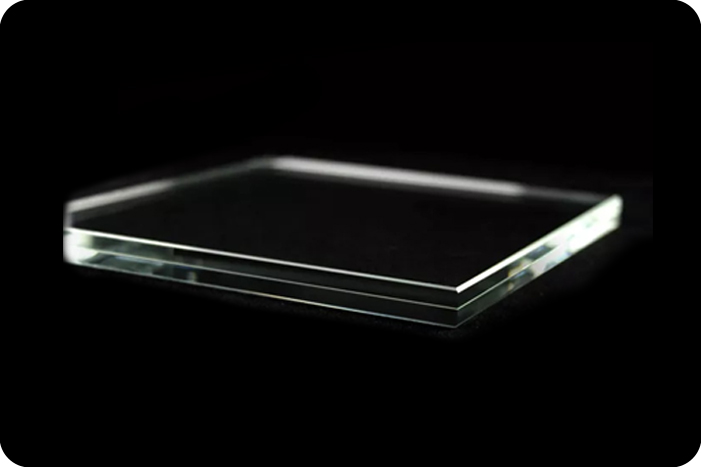
Stand in front of a standard window on a bright afternoon and you'll see yourself before you see through it. Ordinary float glass reflects roughly 8% of visible light off each surface, enough to turn a display case or storefront into an accidental mirror. low-reflective laminated glass tackles that problem at the surface level, using a multi-layer optical coating deposited on one or both faces of the glass to cancel out reflected light through controlled interference between layers of differing refractive index.
The result is a visible-light reflectance that can drop below 1-2%, compared with the 8% baseline of uncoated glass. But the coating only solves half the equation. Because the finished product is laminated, two or more glass panes are permanently bonded with a polyvinyl butyral (PVB) interlayer, giving architects and fabricators a single material that delivers both optical clarity and structural resilience, rather than treating reflection control and safety as separate specification decisions.
Why Reflection Control Matters in High-Stakes Display Environments
Reflection is not just a cosmetic nuisance. In a jewelry showcase, glare can hide the very facets a buyer is meant to examine. In a museum vitrine, overhead lighting bouncing off standard glass can obscure brushwork, texture, or engraved detail that curators spent years positioning correctly. For architects, a reflective facade can clash with a building's intended transparency, turning a glass atrium into an opaque wall under certain sun angles.
Low reflectivity also changes how color reads through the glass. Standard glass introduces a faint green or gray cast that most visitors never consciously notice, yet it subtly dulls the vibrancy of what's behind it. A well-specified anti-reflective coating, paired with a neutral or low-iron substrate, lets colors register closer to how they'd appear with no glass in the way at all — a detail that matters enormously when the object behind the glass is a painting, a gemstone, or a product a retailer is trying to sell.
Museum and Cultural Heritage Applications
Museums represent one of the most demanding use cases for this glass type, and for good reason. A vitrine has to do three jobs at once: let visitors see the object clearly, keep hands and contaminants away from it, and block enough ultraviolet radiation to slow fading and material degradation over decades of exhibition. Laminated construction handles the physical barrier and impact resistance, while the low-reflective coating removes the glare that would otherwise compete with gallery lighting.
This combination shows up across museum glazing worldwide, from freestanding display cases that hold textiles and ceramics to full architectural vitrines built around large sculptures. Curators increasingly ask for optical performance specs alongside conservation specs, since a case that protects an artifact but obscures it defeats half the purpose of exhibiting it in the first place.
- Freestanding and wall-mounted display cases for textiles, ceramics, and manuscripts
- Large architectural vitrines for sculpture and installation pieces
- Picture framing glazing for paintings, prints, and photographs
Beyond Museums: Retail, Signage, and Architectural Facades
Retail environments face a version of the same problem. High-end storefronts want passersby to see the merchandise, not their own reflection, particularly in daylight when standard glass behaves almost like a shop mirror. Jewelry and watch showcases push this further still, since a customer evaluating a stone or a dial finish needs an unobstructed, color-true view.
Digital signage and touchscreen enclosures depend on similar optical performance, but for a different reason: ambient light and overhead fixtures create hotspots on standard cover glass that make displays hard to read from an angle. On facades, combining low-reflective coatings with laminated safety glass lets architects achieve a transparent look at street level while still meeting building codes that require impact-resistant glazing in accessible or high-traffic zones.
Safety and Durability Advantages of the Laminated Structure
The PVB interlayer sandwiched between glass panes does more than hold the assembly together. If the glass is struck or cracks, the interlayer keeps fragments bonded in place instead of scattering, which is why laminated glass is the standard choice anywhere breakage risk intersects with public safety, museum security, or valuable inventory behind a display panel. This matters as much for a jewelry case exposed to attempted break-ins as it does for a school display cabinet near foot traffic.
Lamination brings a secondary benefit that's easy to overlook: sound dampening. The interlayer absorbs vibration more effectively than a single pane of equivalent thickness, which is useful in street-facing storefronts, museum galleries near mechanical equipment, or any application where noise transmission through glazing is a design concern alongside optical performance.
Choosing the Right Specification
Not every project needs the same balance of clarity, coating placement, and thickness. A few variables shape the right specification:
- Coating placement: single-side coatings suit interior applications with one dominant light source, while double-side coatings push reflectance lower for facades and cases lit from multiple angles
- Substrate choice: pairing the coating with low-iron glass removes the green tint standard glass carries, which matters most where color accuracy is critical
- Overall thickness: laminated assemblies typically run thicker than single-pane low-reflective glass, so structural requirements and case dimensions should be confirmed early in the design
- Custom reflectivity targets: some projects specify an exact reflectance percentage rather than a generic "low-reflective" label, which requires coordination with the glass fabricator during production
Getting these details right early avoids costly rework later, particularly on museum or retail projects where the glazing is custom-cut and difficult to swap out after installation. Working with a fabricator who can produce low-reflective laminated glass to a specific thickness and coating configuration gives architects and case builders room to match the glazing to the project rather than the other way around.
